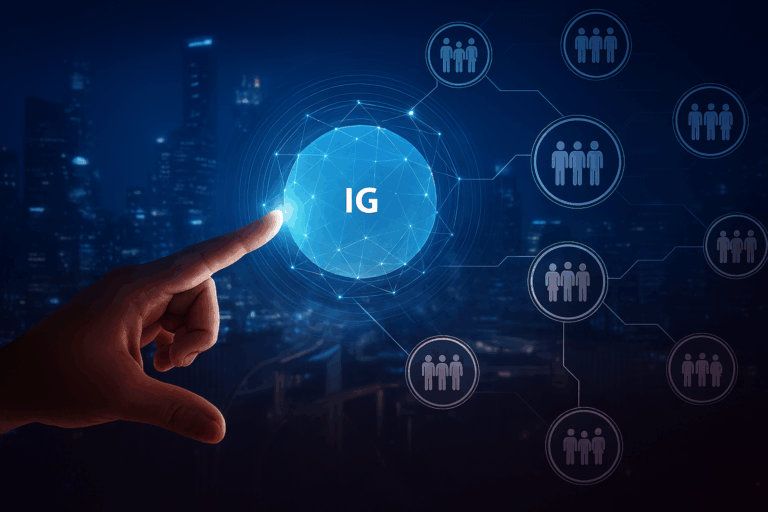
As technology rapidly evolves, organizations face a growing wave of sophisticated cyber threats. While new protection mechanisms such as provisioning and access management have emerged, many enterprises remain uncertain about the right strategies to secure their most critical asset, identity.
Over the past decade, Identity Governance has significantly evolved and matured. Yet several misconceptions continue to mislead organizations, preventing them from adopting the right security posture. To build a truly resilient cyber-ecosystem, it is crucial to understand and overcome these myths.
Myth 1: Identity Governance and Security Are Separate
A widespread belief is that an organization’s cybersecurity system alone can mitigate all threats. However, most risks originate internally, not externally. Data exposure often occurs when users mishandle or misuse sensitive information, whether accidentally or intentionally.
Identity Governance plays a critical role in:
- Monitoring, analyzing, and controlling user access
- Detecting malicious or negligent actions
- Minimizing insider and outsider risks
Rather than operating separately, Identity Governance is the core of a robust cybersecurity framework, enabling organizations to secure crucial applications and data proactively.
Myth 2: Access Management and SSO Alone Can Solve Identity Risks
Access management and Single Sign-On (SSO) are vital components of identity security, but they do not replace Identity Governance. Their purpose is to grant access, not to validate whether the access is appropriate or safe.
While SSO focuses on convenience and authentication, Identity Governance ensures:
- Users receive the right level of access based on their job role
- No excessive or inappropriate privileges exist
- Sensitive data remains protected from unauthorized exposure
Without Identity Governance, organizations risk enabling users with more privileges than required, opening the door to compliance violations and security breaches.
Myth 3: Identity Governance Is Only for Large Enterprises
Many businesses assume compliance regulations apply only to large organizations. In reality, regulations such as GDPR, CCPA, and SOX impact businesses of all sizes and industries.
Regardless of company size, organizations must ensure:
- Strong control over sensitive data
- Protection across on-prem, cloud, and hybrid environments
- Enforcement of preventive and detective access controls
Identity Governance is not a luxury; it is a necessity for secure and scalable growth, especially in today’s hyper-connected, data-driven business world.
Myth 4: Identity Governance Is an IT-Only Responsibility
Traditionally, organizations handed over Identity Governance responsibilities solely to the IT team. However, business owners are the true custodians of access-related risks, as they best understand job roles and access needs.
Identity Governance empowers business users by enabling:
- Faster and accurate certification of user access
- Reduced dependency on IT for password resets and access approvals
- Efficient access reviews and policy enforcement
In this collaborative model, business managers define and enforce controls, while IT supports the process, resulting in a more precise and scalable governance ecosystem.
Why Identity Governance Is More Important Than Ever?
With the rise of remote work, multi-cloud adoption, digital platforms, and third-party access, the demand for strong Identity Governance grows every day. Organizations must focus on:
- Preventing unauthorized access before risks become incidents
- Maintaining compliance with evolving global regulations
- Enhancing security without slowing down business operations
- Reducing operational costs through automated access controls
Identity Governance is no longer optional; it is a strategic requirement for business continuity, cyber resilience, and organizational agility.
Conclusion
Misconceptions about Identity Governance can lead to flawed security decisions and long-term vulnerabilities. By recognizing its critical role and adopting modern governance frameworks, organizations can protect sensitive data, streamline operations, and build a secure digital future.