
As explored in our previous blog, the future of identity security is shaped by four core elements that guide organizations toward a modern, resilient identity framework. While reaching this future state takes time, every organization, knowingly or unknowingly, is already on its journey.
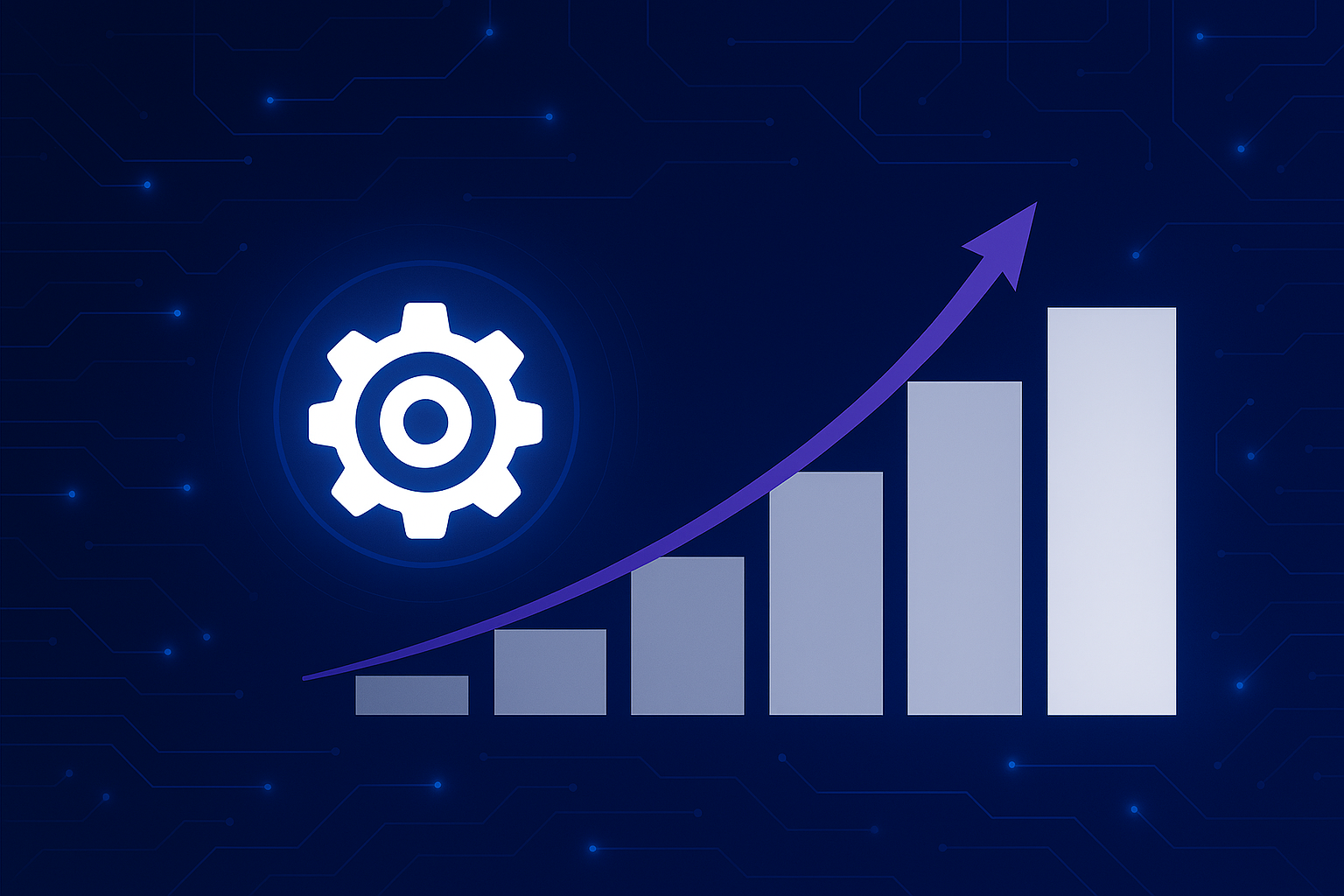
A comprehensive study evaluated organizations across four key vectors, revealing that identity programs typically fall into five distinct maturity horizons. This blog breaks down these enablers and the horizons that define the Identity Security Journey.
The Four Key Enablers of Identity Security Maturity
An organization’s position across the five horizons is determined by its maturity in the following areas:
Strategy
A well-defined identity strategy aligned with business objectives accelerates both technology transformation and innovation. It ensures that identity initiatives support long-term business goals.
Technology & Tools
Identity capabilities and tools become significantly more effective when they are automated, integrated, and synchronized with broader security operations. Modern IAM depends on intelligent tooling, orchestration, and scalability.
Operating Model
A centralized identity operating model with clear roles, responsibilities, and well-defined success metrics is essential. Tracking and communicating these metrics ensures visibility and adoption across the organization.
Talent
Identity programs thrive when supported by skilled IAM professionals focused on automation, modernization, and continuous improvement, not just operational firefighting. Talent remains one of the most crucial pillars in identity success.
The Five Horizons of Identity Security
Organizations evolve through these five horizons as they mature their identity posture:
- Horizon 1: Initial / Reactive Stage
Companies in Horizon 1 lack an identity strategy, a formal operating model, and the technical capabilities required to build a sustainable IAM foundation. Identity processes are fragmented and reactive.
- Horizon 2: Emerging Identity Program
Organizations begin introducing identity initiatives, typically manual and inconsistent. They may purchase IAM tools, but adoption remains low due to limited training, unclear objectives, or insufficient alignment with business needs.
- Horizon 3: Digitalized Identity Program
Identity processes become more streamlined, automated, and integrated across departments. IAM tools gain wider adoption, and the program begins adding real business value.
- Horizon 4: Advanced & Predictive Identity Security
Organizations leverage advanced digital tools, machine learning, and predictive analytics. IAM becomes a driver of innovation, supporting business transformation and improving security resilience.
- Horizon 5: Future-Ready Identity Security
At this stage, identity security is highly mature, proactive, and intelligent. Cyber risks are significantly reduced, and IAM actively enables next-gen technology adoption. Identity becomes the central pillar of digital transformation and enterprise evolution.
Why Aim for Horizons 4 and 5?
Identity is no longer a backend function; it is the core enabler of secure digital operations. Organizations operating in Horizons 4 and 5 benefit from:
- Reduced security risks
- Stronger regulatory compliance
- Greater operational efficiency
- AI-driven insights and automation
- Faster innovation and digital transformation
In today’s evolving cyber landscape, reaching the higher horizons is not optional—it is a competitive advantage.
Final Thoughts
The journey to advanced identity security does not happen overnight. But with the right strategy, technology, operating model, and talent, organizations can steadily progress across the horizons and build a future-ready identity ecosystem.
At 1TRC, we help enterprises streamline, automate, and elevate their IAM programs accelerating your journey toward Horizons 4 and 5.