Identity and Access Management and Data Security: Building Smarter Security for the Digital Enterprise
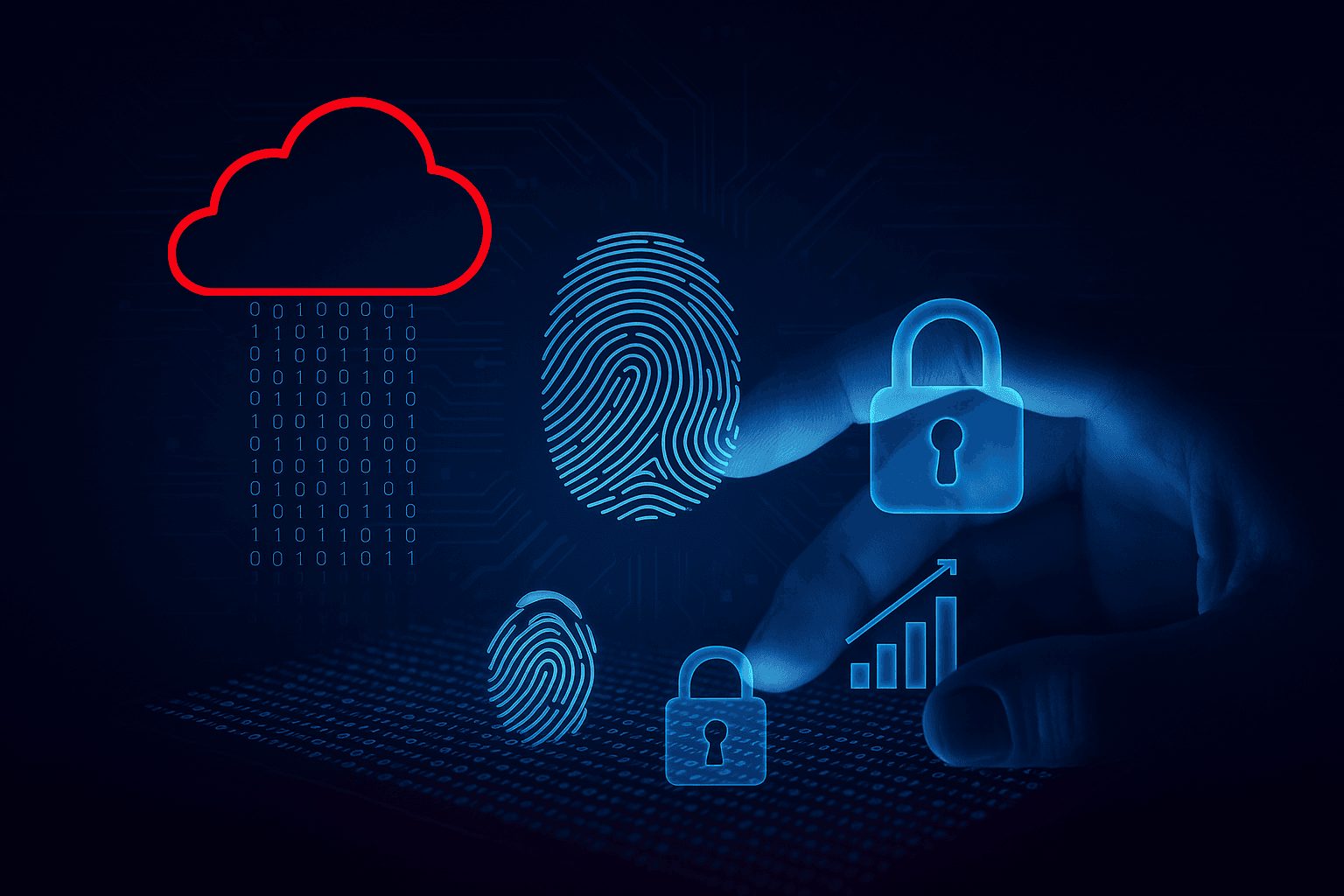
In an age defined by digital transformation, identity and data security have become the twin pillars of enterprise resilience.
As organizations increasingly move to the cloud and embrace hybrid IT models, Identity and Access Management (IAM) and Data Security are no longer optional, they are strategic imperatives that determine business continuity, compliance, and trust.
Understanding Identity and Access Management (IAM)
Identity and Access Management (IAM) refers to the framework of business processes, technologies, and policies that manage digital identities and govern how users interact with enterprise resources.
The goal of IAM is to ensure that the right individuals have the right access to the right resources at the right time — securely and efficiently.
IAM enables organizations to:
- Control and monitor user access to sensitive systems and data.
- Ensure secure storage of identity and profile data.
- Enforce governance to prevent over-privileged or unauthorized access.
Core Components of IAM
A robust IAM framework typically includes:
- Identity Management: How users are uniquely identified in the system.
- Authentication: Verifying user identity through secure login mechanisms (passwords, MFA, biometrics).
- Role Management: Defining and assigning roles to individuals or groups.
- Access Provisioning: Adding, updating, and revoking access rights.
- Authorization and Privilege Control: Regulating what users can do once authenticated.
- Protection and Compliance: Safeguarding sensitive data and ensuring policy enforcement.
IAM systems can be deployed on-premises, via cloud-based SaaS models, or through hybrid architectures, giving enterprises the flexibility to align security with business needs.
What Is Data Security?
Data Security is the discipline of protecting digital information from unauthorized access, corruption, or theft throughout its entire lifecycle.
It encompasses hardware, software, policies, and governance processes that work together to secure data at every layer, from endpoints to databases to cloud platforms.
Key Pillars of Data Security
- Access Control: Restricting who can view, modify, or transfer data.
- Encryption: Protecting data at rest and in transit.
- Monitoring and Auditing: Tracking activity to detect anomalies and ensure accountability.
- Backup and Recovery: Ensuring data resilience in case of cyber incidents.
- Governance and Compliance: Maintaining alignment with legal, ethical, and regulatory obligations.
Modern data security frameworks also rely on advanced visibility tools that reveal how data is accessed, shared, and stored, reducing blind spots and supporting real-time compliance audits.
Why Data Security Is a Strategic Priority?
Across industries, data has become the most valuable corporate asset, and the most targeted one.
With cyberattacks, ransomware, and insider threats on the rise, protecting digital assets is now a business-critical priority.
Legal and Regulatory Compliance
Organizations are mandated to safeguard customer and employee data under stringent global regulations, including:
- GDPR (General Data Protection Regulation) — Europe
- CCPA (California Consumer Privacy Act) — U.S.
- HIPAA (Health Insurance Portability and Accountability Act) — Healthcare
- PCI DSS (Payment Card Industry Data Security Standard) — Financial data
Non-compliance not only results in financial penalties but can also cause irreversible reputational damage.
Mitigating Reputational Risk
A single data breach can erode years of customer trust.
The fallout extends beyond financial loss, it impacts brand equity, market position, and stakeholder confidence.
Preventing Human and Insider Threats
Despite technological advances, human error remains a leading cause of data breaches.
A strong IAM and data security framework minimizes risk by:
- Enforcing least privilege principles.
- Automating access reviews and revocations.
Tracking anomalies through continuous monitoring and AI analytics.
The Intersection of IAM and Data Security: Smarter Together
Identity and Access Management and Data Security are intrinsically linked.
IAM governs who has access, while Data Security governs what happens once access is granted.
Together, they form the foundation of Zero Trust Architecture (ZTA), where every access request is continuously verified, authenticated, and monitored.
Benefits of an Integrated IAM + Data Security Approach
- Unified visibility across users, applications, and data assets.
- Real-time detection of access anomalies and potential insider threats.
- Automated compliance reporting for audits and certifications.
- Enhanced resilience against phishing, credential theft, and privilege escalation.
The 1Trooper Advantage: Intelligent Governance for a Secure Future
At 1TRC (1Trooper Risk & Compliance), we enable organizations to go beyond traditional IAM and data protection by integrating AI-driven identity governance and data analytics into a unified, intelligent platform.
Our 1Trooper Identity Access Governance Suite delivers:
- AI-powered Role Mining and De-duplication – Discover, standardize, and optimize roles across systems.
- Access Certification Automation – Ensure compliance and accountability.
- SoD (Segregation of Duties) Monitoring – Detect and remediate risk conflicts automatically.
- Continuous Data Security Analytics – Monitor sensitive data usage across hybrid and multi-cloud ecosystems.
- Cloud-Native Architecture – Deploy seamlessly on Oracle Cloud, AWS, Azure, or on-prem environments.
With 1Trooper, enterprises can simplify compliance, strengthen governance, and achieve real-time visibility into identity and data risks, all from a single, intelligent platform.
Conclusion: Building a Secure, Data-Driven Enterprise
As digital ecosystems expand, the line between identity management and data protection continues to blur.
Forward-thinking organizations must integrate IAM and Data Security strategies to achieve a holistic, intelligence-driven security posture.
1Trooper empowers enterprises to build that future, where every identity is trusted, every access is monitored, and every piece of data is protected with precision.
Because smarter identity governance means stronger data security.
- 1Trooper Risk and Compliance
- Access Certification Tools
- AI-driven Identity Governance
- Cloud IAM
- Cloud-Based Identity Management
- Data Governance Automation
- Data Protection Compliance
- Data Security
- GDPR and CCPA Compliance
- IAM for Enterprises
Related articles
Save Up to $750K with Oracle Cloud License Optimization Using 1TRC License Management
Enterprises today are under pressure to modernize their technology stack while maintaining strict cost control. As organizations migrate workloads to Oracle Cloud, one persistent issue continues to quietly erode budgets: inefficient license management. Unused licenses, over-provisioned roles, unnecessary Enterprise Editions, and misaligned entitlements often go unnoticed, yet they accumulate into significant annual overspend. With a…
Oracle Cloud License Optimization: Why Pay for More Than You Need?
In today’s cloud-first enterprise landscape, organizations are rapidly adopting Oracle Cloud to gain scalability, performance, and operational flexibility. Yet as businesses modernize, one persistent challenge continues to drain IT budgets: overpaying for Oracle licenses. Many enterprises unknowingly pay for more Oracle Cloud licenses, higher editions, or unused entitlements than their business truly requires. Over time,…
Why ERP Compliance Software Is Essential for Modern Enterprises: From Audit Readiness to Continuous Control?
Modern enterprises operate on complex ERP ecosystems. Platforms such as SAP, Oracle, Workday, NetSuite, and Microsoft D365 power finance, procurement, HR, supply chain, and operational decision-making. These systems are the digital backbone of the enterprise. But as ERP environments expand, so does compliance risk. Without structured governance, organizations face increasing exposure to segregation of duties…